
Discussion Meeting
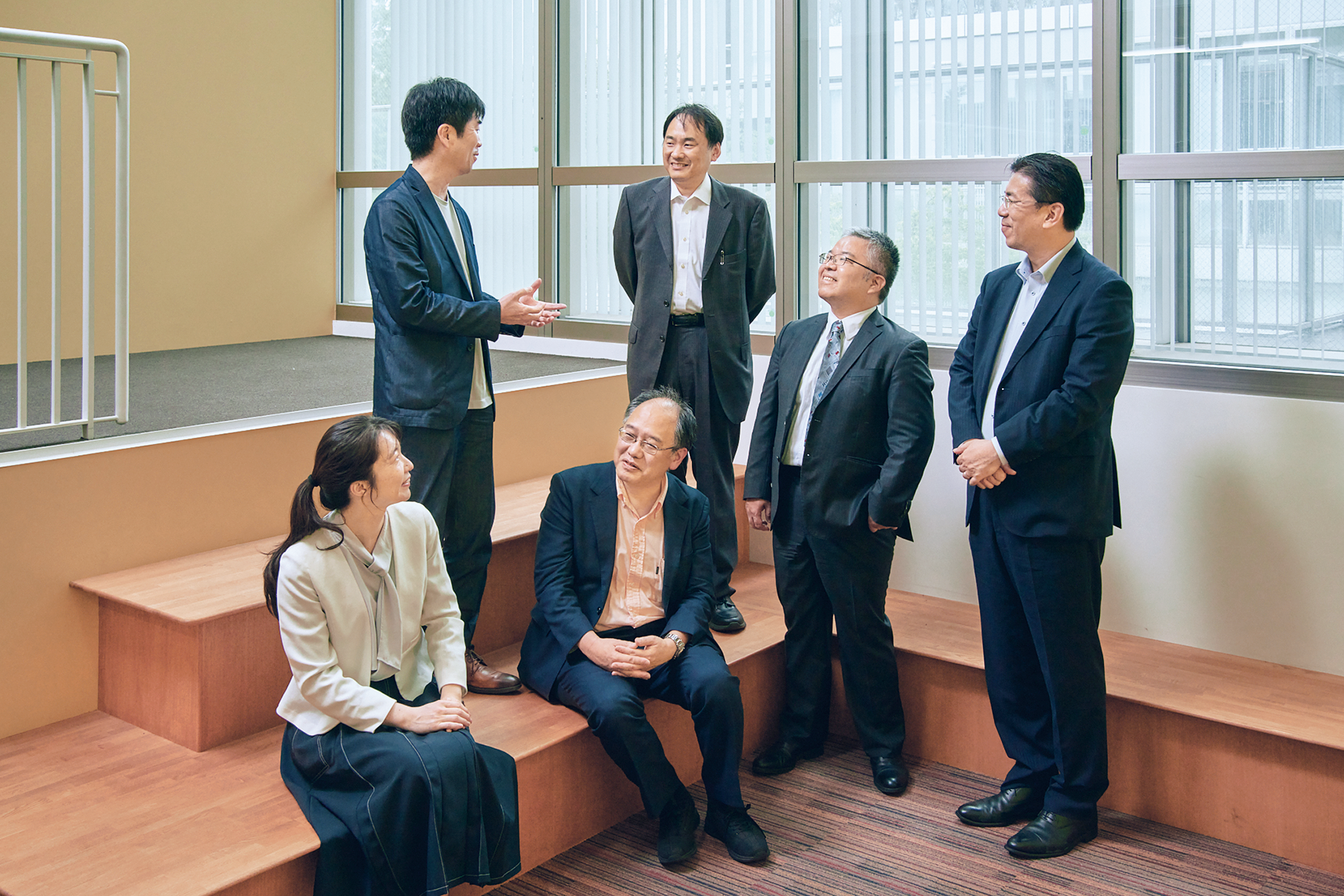
On the launch occasion, we invited representatives from four of the eight private companies participating in the “Fusion System Design Engineering” corporate-sponsored research program to hear their candid opinions on the significance and objectives of the course.
Moderator / Special Feature Supervisor
Michiaki Inomoto
Professor, Department of Advanced Energy
Graduate School of Frontier Sciences, The University of Tokyo

ーI’m Inomoto, your moderator for today.
Please begin by introducing yourself.
Chairperson / Special Feature Editor
Akira Ejiri
Professor, Department of Complexity Science and Engineering
Graduate School of Frontier Sciences, The University of Tokyo
Director, Transdisciplinary Fusion Energy Center
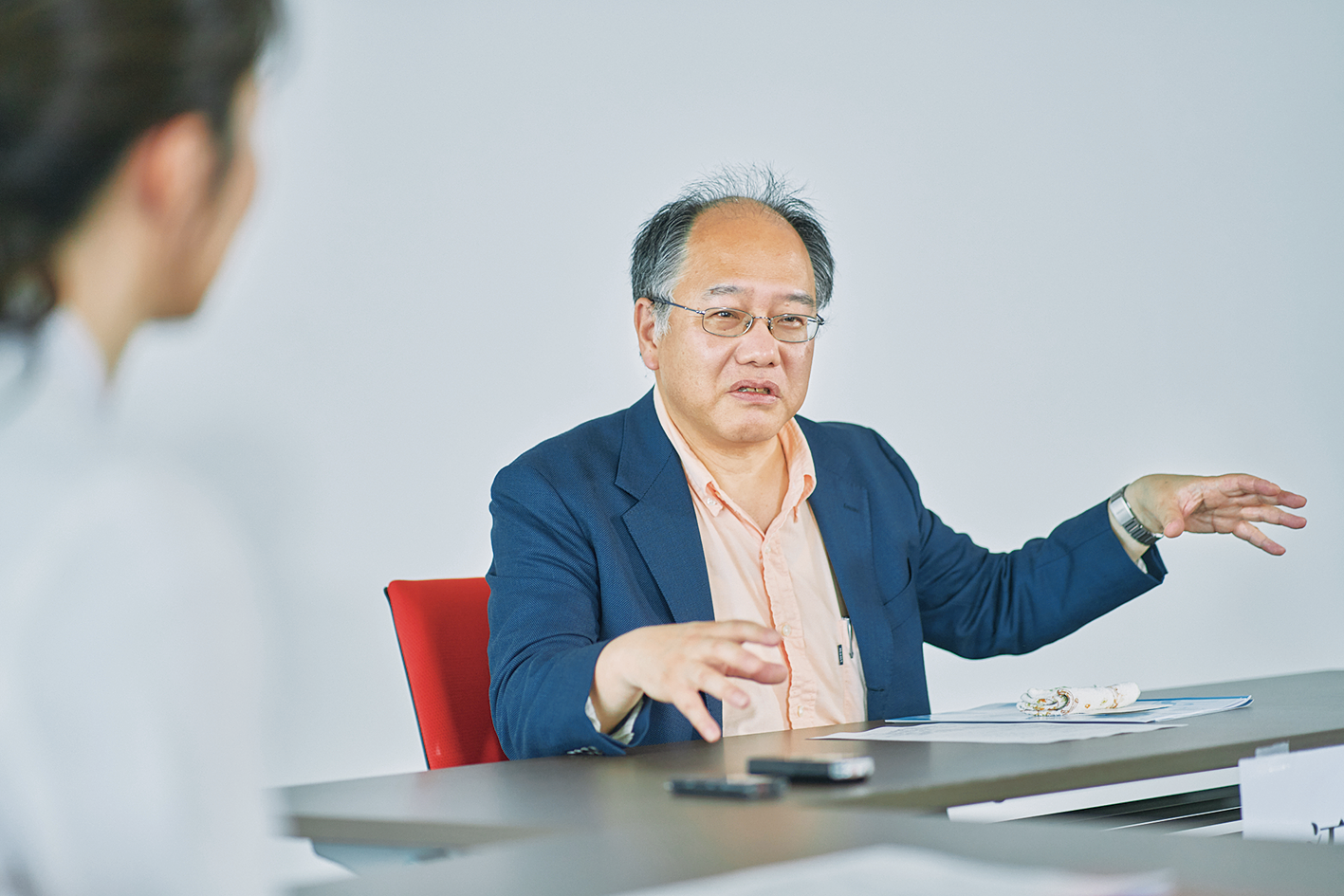
I’m Ejiri, Director of the Transdisciplinary Fusion Energy Center. For many years, I have been conducting experiments with a small tokamak we built ourselves. We have connections with ITER, JT-60SA, and the Joint Special Design Team for Fusion DEMO. More recently, I have been coordinating efforts to develop measurement technology for the DEMO reactor.
Miki Nishimura
Business Development and Operations Division
Kyoto Fusioneering Ltd.
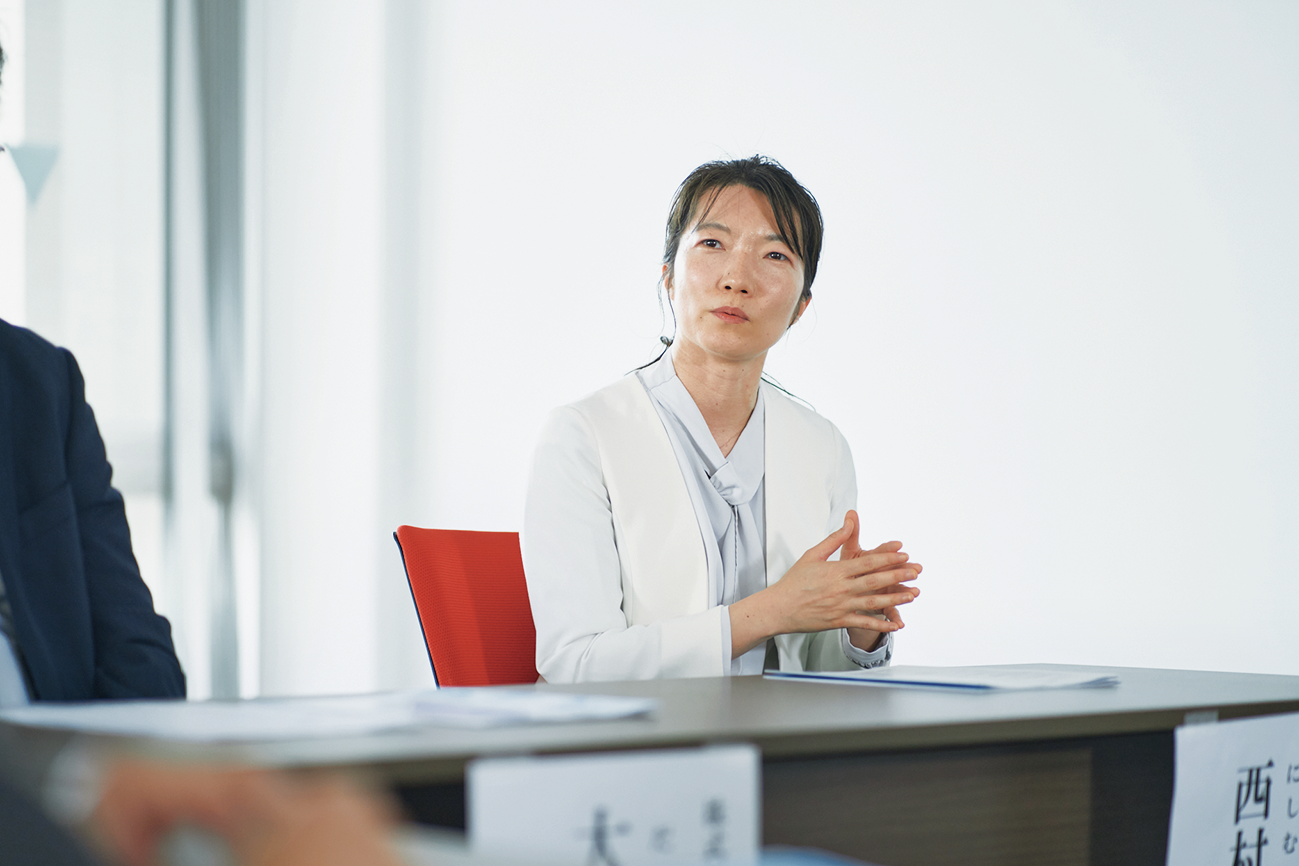
I’m Nishimura from Kyoto Fusioneering Ltd. (KF). My background spans postdoctoral research in particle physics, followed by a stint as a data scientist in the consulting industry. I currently work as a technically proficient sales representative dedicated to bridging the gap between academia and industry.
Masanori Daibo
General Manager, Superconductor Business Division
Fujikura Ltd.
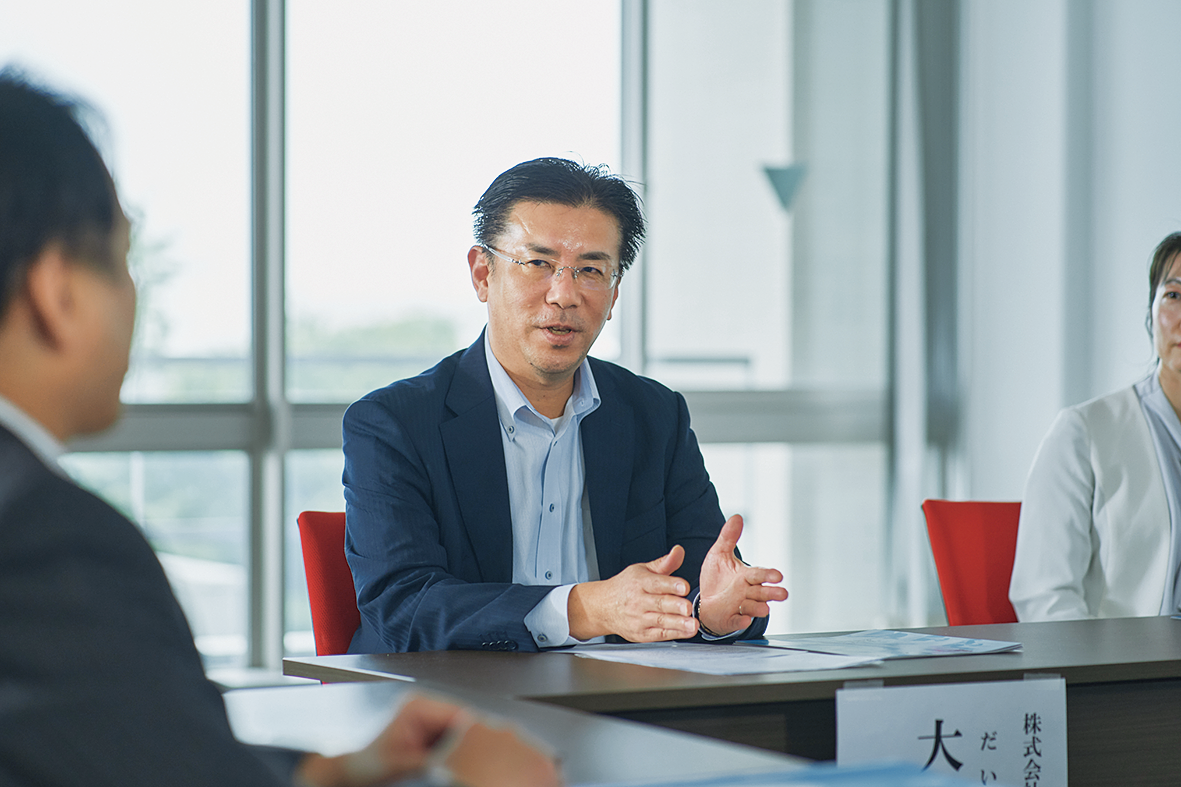
I’m Daibo from Fujikura Ltd. I am responsible for business development for high-temperature superconductors in the Superconductor Business Division. Thank you for your time today.
Eiji Arimori
Deputy Manager, Research Promotion Office
Technology Development Department
J-POWER Electric Power Development Co., Ltd.
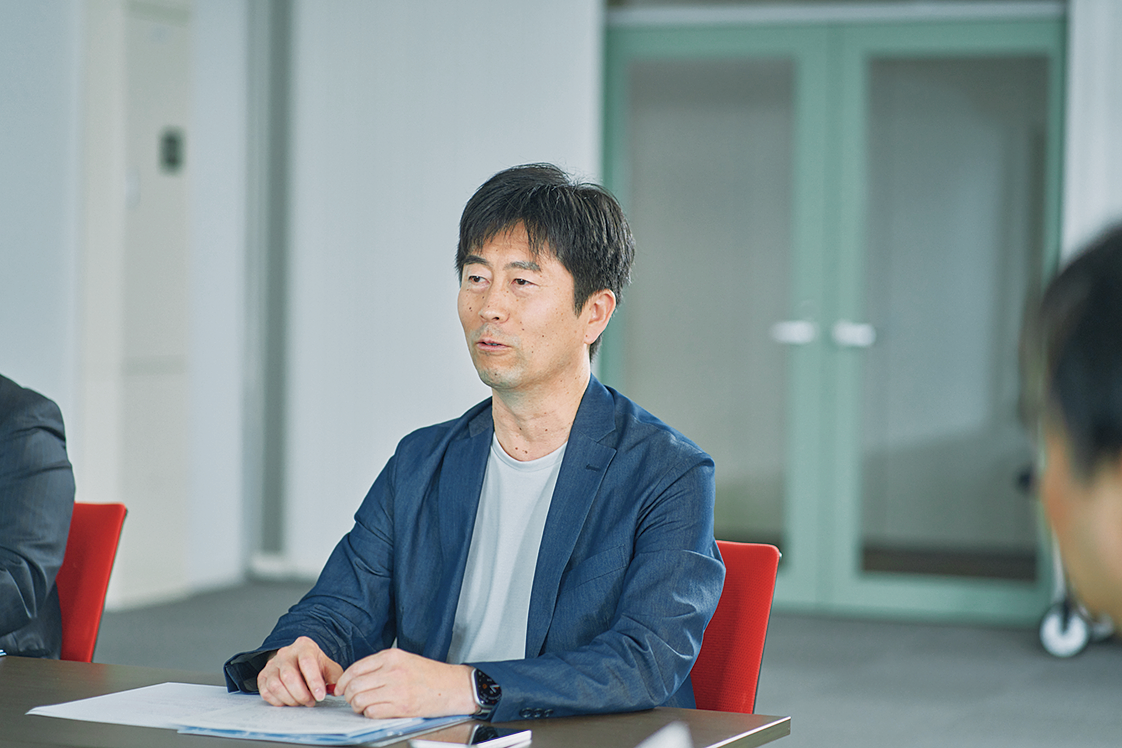
I’m Arimori from J-POWER Electric Power Development Co., Ltd. Since joining the company, I’ve long been engaged in developing high-efficiency coal-based power generation systems—clean coal technologies. Although I do not have a background in fusion, I have been deepening my interest in fusion technology since I began working with KF about two years ago.
Tatsuya Yamazaki
Deputy General Manager, Nuclear Fuel Department
Marubeni Corporation
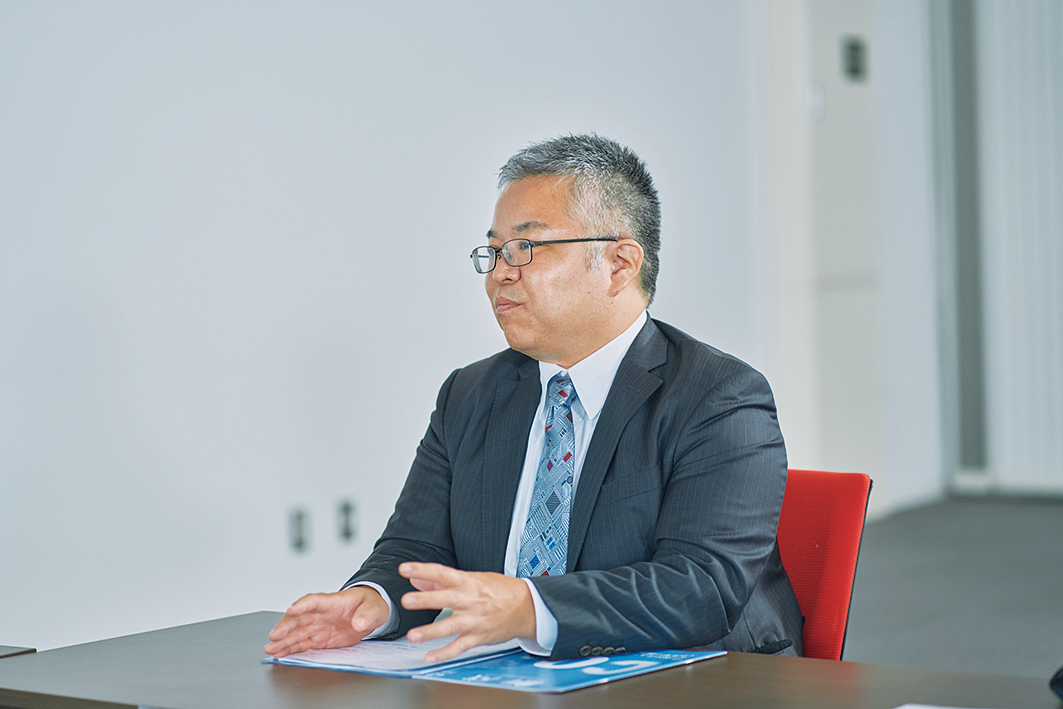
I’m Yamazaki from Marubeni Corporation. I work in the Nuclear Fuel Department and oversee the full nuclear fuel cycle—from uranium mine development and trading to supporting the deployment of equipment and technology for nuclear power plants.
ーDr. Ejiri, could you briefly talk about the history of fusion research and the University of Tokyo’s efforts in this field?
Ejiri: Fusion research began in the 1950s. Since that time, three groups at the University of Tokyo—the physics group in the Faculty of Science and the electrical and nuclear engineering groups in the Faculty of Engineering—have been actively engaged in research and education as pioneers in Japan. They have produced a large number of talented individuals. When GSFS was established in 1998, these three groups were integrated at the Kashiwa Campus, where they remain to this day.
In recent years, as fusion research has scaled up, we’ve adopted a hybrid approach: we conduct small experiments independently and collaborate with experimental teams for large experiments.
Fusion research is entering a new phase in Japan and abroad. After years of development, core fusion technologies have reached maturity. Further, the operation of ITER—where these technologies converge—is now within reach. Meanwhile, overseas startups, particularly in the United States, are securing substantial investment to pursue bold, unconventional approaches, fueling a growing global belief that fusion-technology practical application is on the horizon. In Japan, the government is stepping up its support to the industry as part of its national strategy, and there is an increasing number of university-based ventures such as KF. So, I feel there is a new trend.
In this context, we have launched this program with the support of many companies. The program centers on reactor design for the practical deployment of fusion technology and strengthens the academic foundation of fusion research. It also offers insights valuable for market research, with an emphasis on industrialization and the evolving global energy landscape—including technological developments driven by startups. We would like to join forces with everyone in the industrial sector and play a part in making Japan a world leader in fusion energy.
ーThe first expectation for the practical application of fusion technology is power generation. What role do you envision for fusion power generation, if or when it is realized?
Arimori: Fusion technology, which emits no carbon dioxide during power generation, could be a powerful option for addressing climate change. Further, I believe it has great significance from the perspective of energy security for Japan, a country with few natural resources and limited land.
Our company’s corporate philosophy is to “meet people’s needs for energy without fail, and play our part in the sustainable development of Japan and the rest of the world.” We see fusion technology as a next-generation power generation technology that is in line with this philosophy. We look forward to seeing it become a reality.
Nishimura: While some startups in the United States have signed power sale agreements with major IT firms, our focus lies in designing components and systems for fusion reactors and delivering the specialized expertise that underpins their operation. We have many researchers and engineers in our company. We aim to position ourselves between a trading company and a manufacturer by building a supply chain while fulfilling an engineering role.
Daibo: Our company currently deals in high-temperature superconductors. They are not supplied to ITER, which leverages low-temperature superconductivity. However, over the past 10 years or so, we have been receiving an increasing number of inquiries from customers who want to use high-temperature superconductors for fusion development and need samples. In addition, the quantity we provide has been increasing. Fusion is attracting global attention, and we would like to be actively involved in this field from the perspective of energy issues and measures against global warming.
Yamazaki: As a trading company, our stance is to support the realization of fusion power generation from the sideline, while identifying business opportunities along the way. In recent years, we have seen a remarkable rise in fusion-related startups. We believe that our role is to support their growth, and the growth of the fusion industry as a whole from various perspectives.
ーNext, I would like to ask about your expectations for this program.
Arimori: Once fusion technology is implemented in the society, it is assumed that expectations of electric power companies will be high. To meet these expectations, it is essential to have safe, stable, and reliable facilities and operations as well as economic rationality. We expect this program to address the technical approaches required to realize these goals from a transdisciplinary perspective. Human resource development is also important. Those who have accumulated experience through academic study and research are expected to become valuable assets as a result of what is known as the “gut feeling” and contribute significantly in the field. We hope this program will help cultivate such individuals.
Yamazaki: We also place great importance on having a “gut instinct” for business, and it has become a catchphrase for us (laughs). In that sense, conversations with academics and startups reinforce my sense that the practical application of fusion technology is drawing near, which is built on the steady accumulation of past efforts. I’m also struck by how often Japan emerges as a global leader in many of the foundational technologies.
We would be grateful if this program could comprehensively explore into the current issues and future developments. Further, we would appreciate the opportunity to discuss potential applications beyond power generation.
Nishimura: If I were to describe the defining feature of this program in one word, it would be “comprehensiveness.” What challenges arise when technology development and organizational or user requirements are integrated within a design science framework? We hope that this program will serve as a platform for iterative interaction across various fields toward the social implementation of fusion technology.
Daibo: We often receive inquiries from overseas startups. I hope that students participating in this program will gain an understanding of the overall design concepts of fusion reactors and be able to make proposals such as, “How about using a superconducting magnet with these specifications?”
ーAnother role of this program is education. What qualities or attitudes do you seek in students who complete the program?
Arimori: I believe there are many challenges that must be overcome before fusion technology can be implemented in society. We hope that this program will help students develop the rich imagination and free-thinking skills required to overcome these challenges.
Yamazaki: What I emphasize in consultation sessions for new graduates is having the patience to have their own opinion no matter what, to act calmly and with determination, and to think about things from a higher perspective than their current status.
There is no such answer as “Do this and you will be OK.” I expect students to take each experience seriously.
Nishimura: Compared to companies, which face strict time and cost constraints, I believe academia provides the opportunity for individuals to develop at a slower pace, and I hope students will take full advantage of this environment.
Daibo: From time to time, we receive interest from individuals who studied superconductivity at the graduate level and are keen to join our company. Companies often require speedy development, so I encourage students to undertake various research projects during their graduate school years.
ーThe fact that this program was established with the participation of such a large number of companies is in itself a powerful message about the practical application of fusion technology. Finally, please share your enthusiasm and motivations with us.
Arimori: From the perspective of energy supply, safety must be the fundamental premise. It is essential to achieve the simultaneous realization of Energy Security, Economic Efficiency, and Environmental Compatibility—collectively known as the “S+3E” framework. Achieving a well-balanced implementation of these elements is also a key challenge for fusion power generation. With our corporate philosophy in mind, we would like to explore what we can do to contribute to the practical application of fusion technology.
Daibo: There is a shortage of fusion professionals worldwide. In this context, it is extremely timely that this program is being offered at the University of Tokyo, which has historically been a leader in the field of fusion.
Nevertheless, I feel that there are challenges to overcome before fusion technology can be put to practical use, such as improving the technology readiness level, securing budgets and personnel, and creating an environment in which it will be accepted by society. It is very important to build a strong network of allies and steadily create an environment where it is accepted by society, and we would like to provide help for achieving this purpose.
Nishimura: Simply put, the integration of technologies has yet to be achieved. Even if fusion reactors are only realized in society some years down the line, they must first bridge gaps in fragmented technologies, meet regulatory and societal expectations, and produce enough electricity to power even a single light bulb. That is exactly what our company is aiming for. We would also be honored to contribute to uniting people in our own way through this program.
Yamazaki: Our company slogan is “Share the Challenge.” We will collaborate with Dr. Ejiri, Dr. Inomoto, and a broad network of researchers, students, and partner companies to pursue the ambitious goal of fusion power generation, a breakthrough with the potential to transform the energy landscape.
Ejiri: Reactor design involves assembling components, but it is important to involve many different people and understand their various requirements. We hope to cover this in this course.
ーWe hope to continue providing opportunities like this in the future to share “gut instinct” and build comradery. Thank you very much for your time today.
*June 10, 2025, in the conference room on the 3rd floor of Kashiwa Research Complex 2.
Titles are omitted.
vol.46
- cover
- Fusion Energy
- Discussion Meeting
- Research Examples at the Transdisciplinary Fusion Energy Center
- Topological Quantum Materials Realized by Molecular Beam Epitaxy
- Small Symbiosis, Big Impact
- Life of Fish Roaming in the Vast Ocean
- GSFS Front Runners: Interview with an Entrepreneur
- Voices from International Students
- On Campus/Off Campus
- Events & Topics
- Awords
- Information
- Relay Essay