
ADVANCED OPTICAL SCIENCE
TAKURO IDEGUCHI LAB.
INTRODUCTION OF LABORATORY
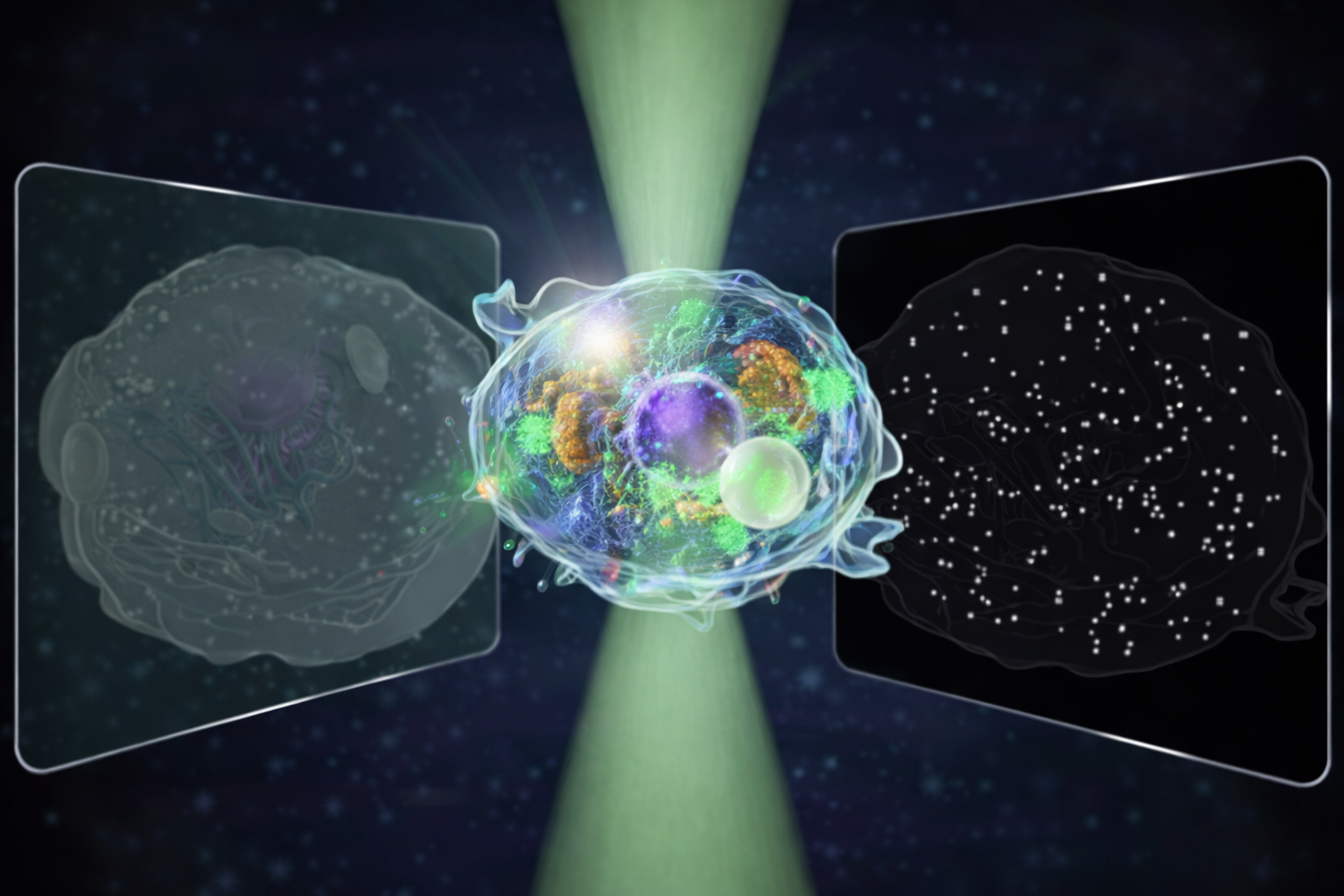
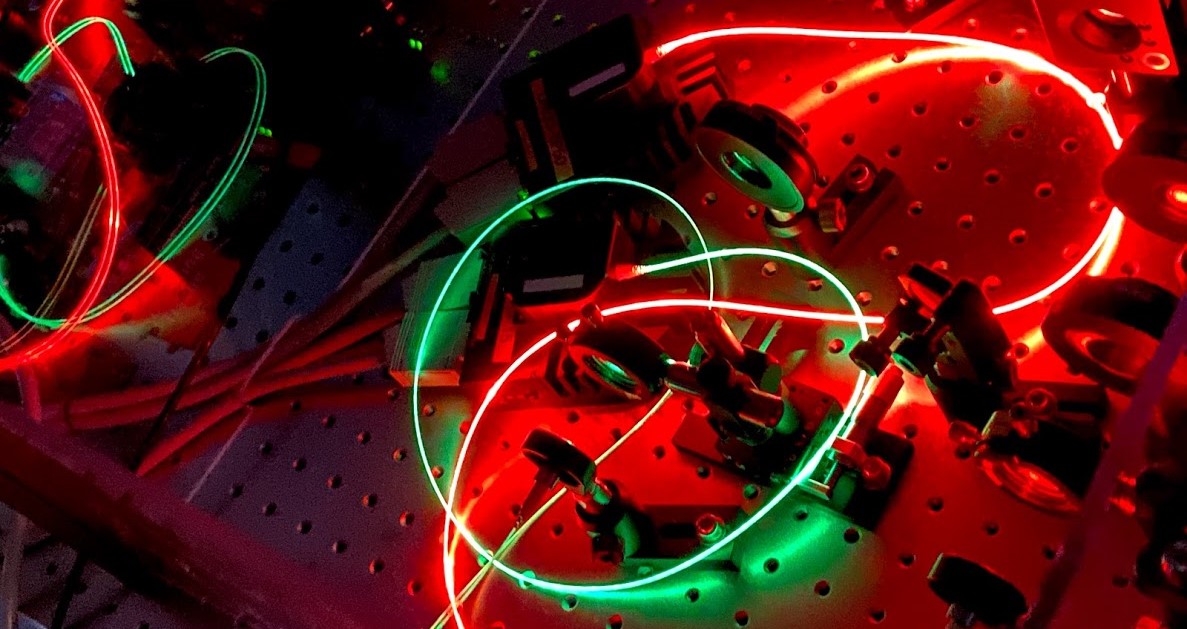
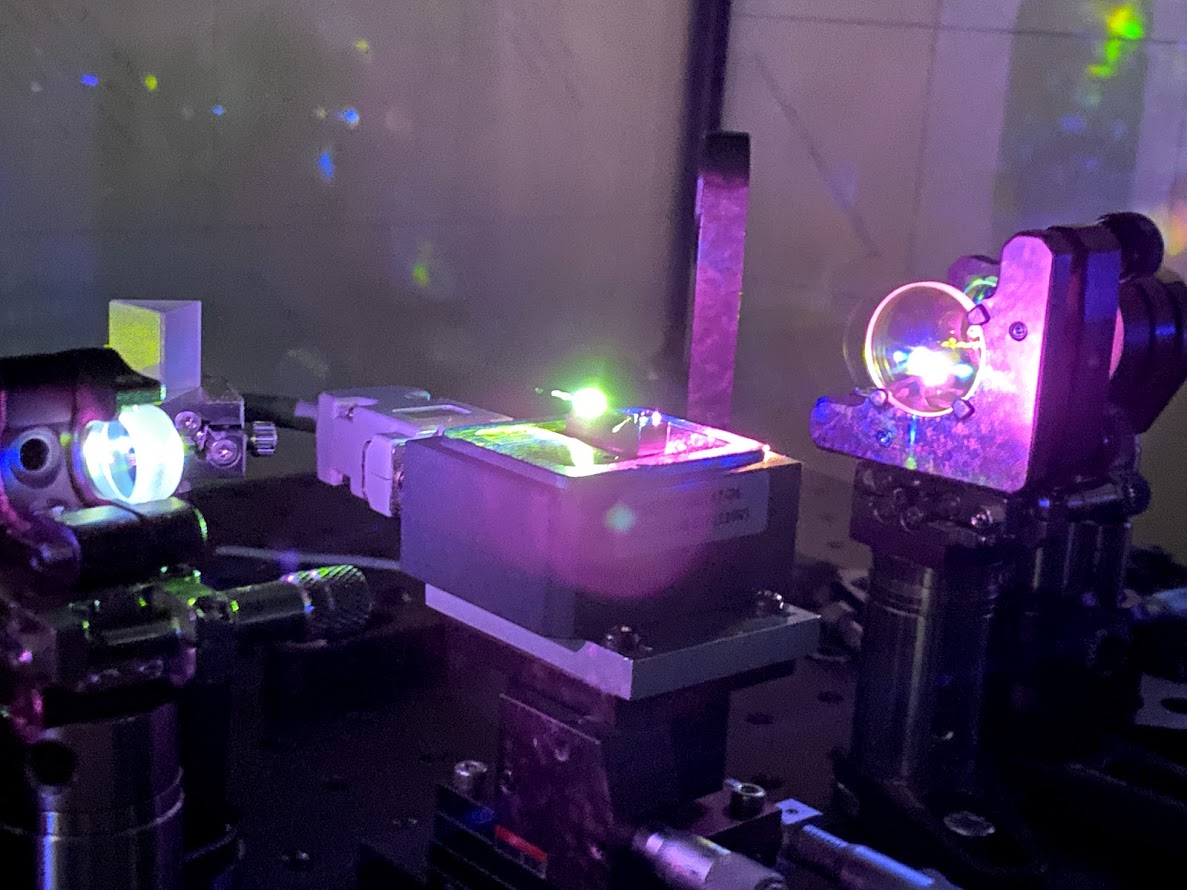
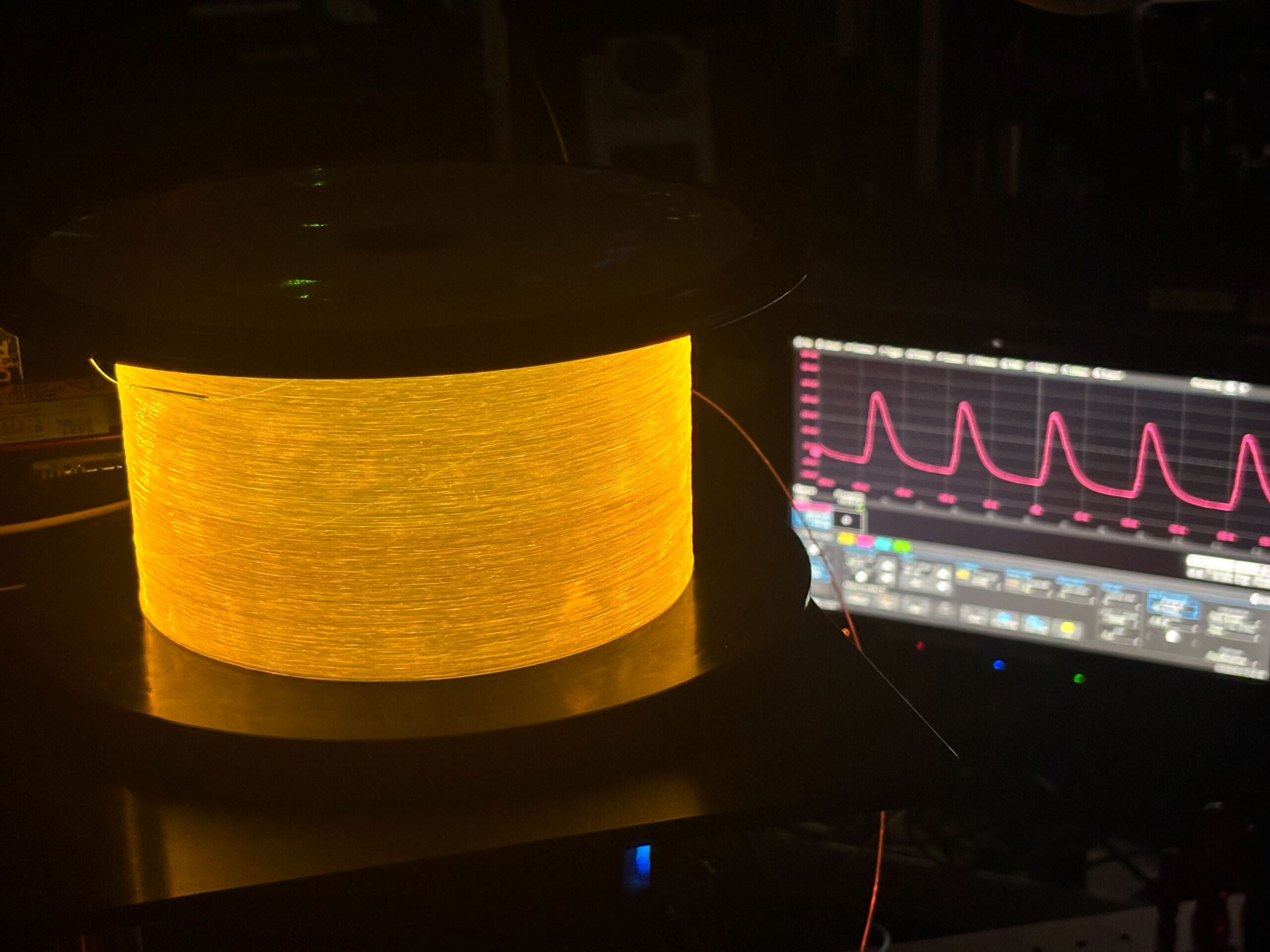
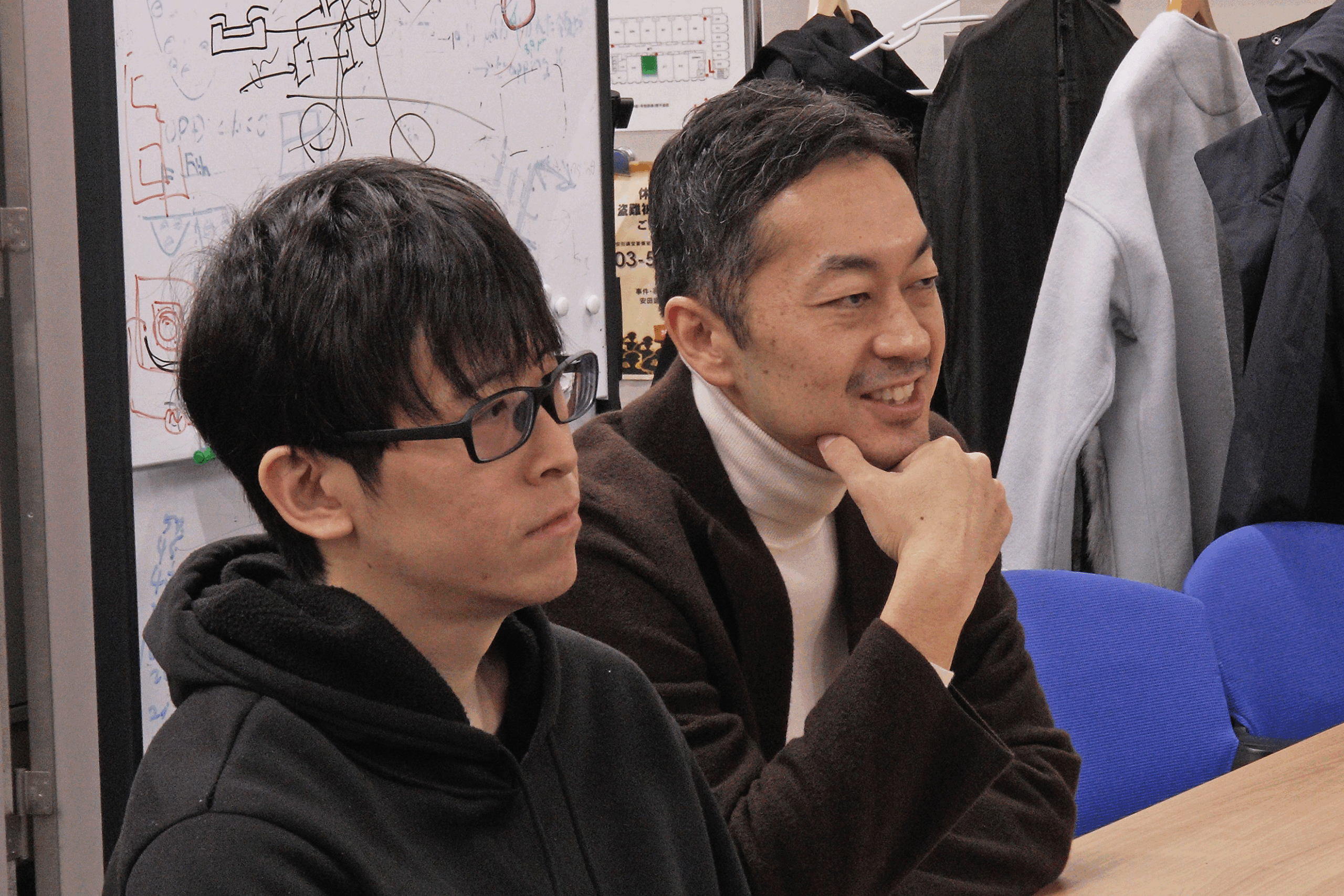
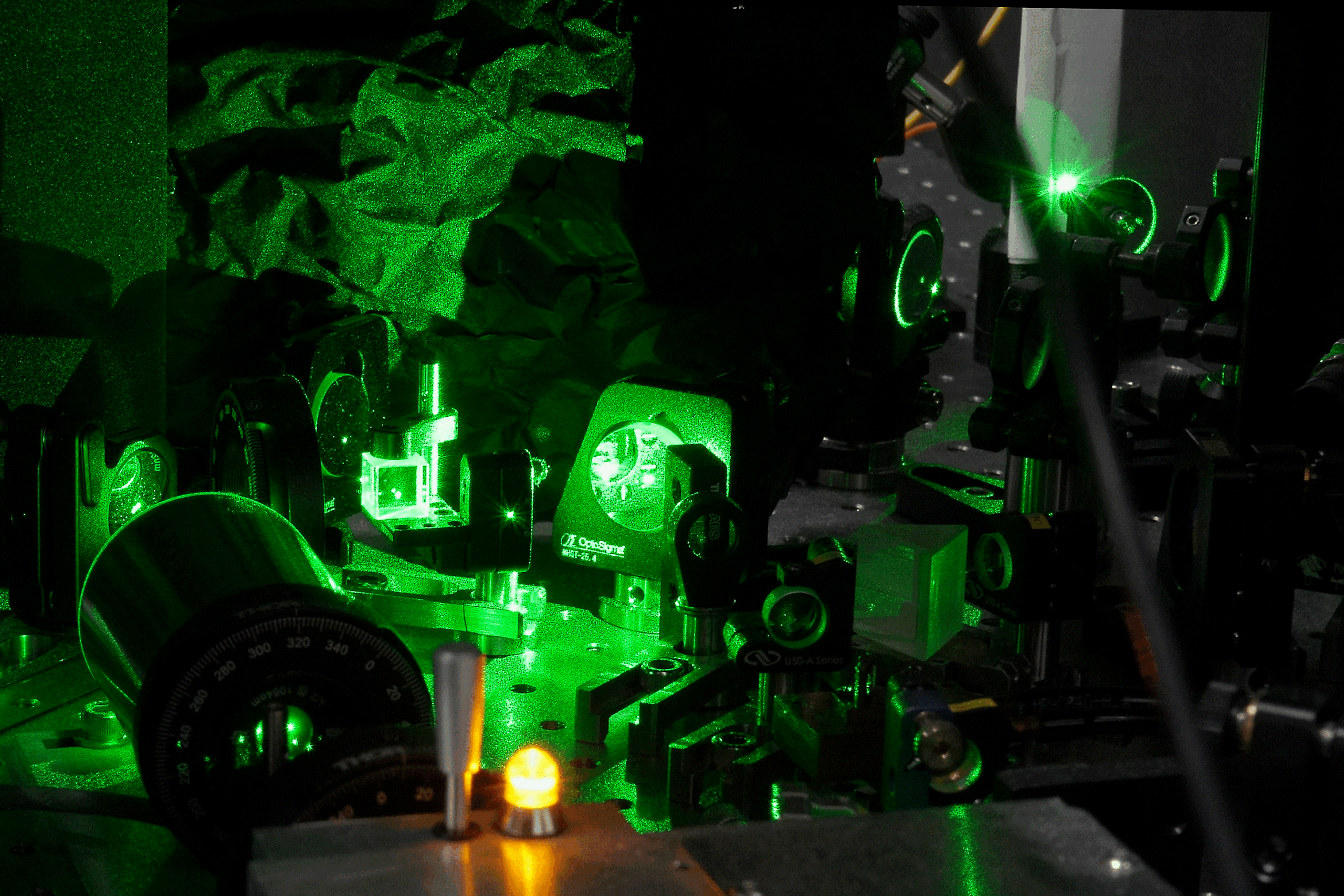
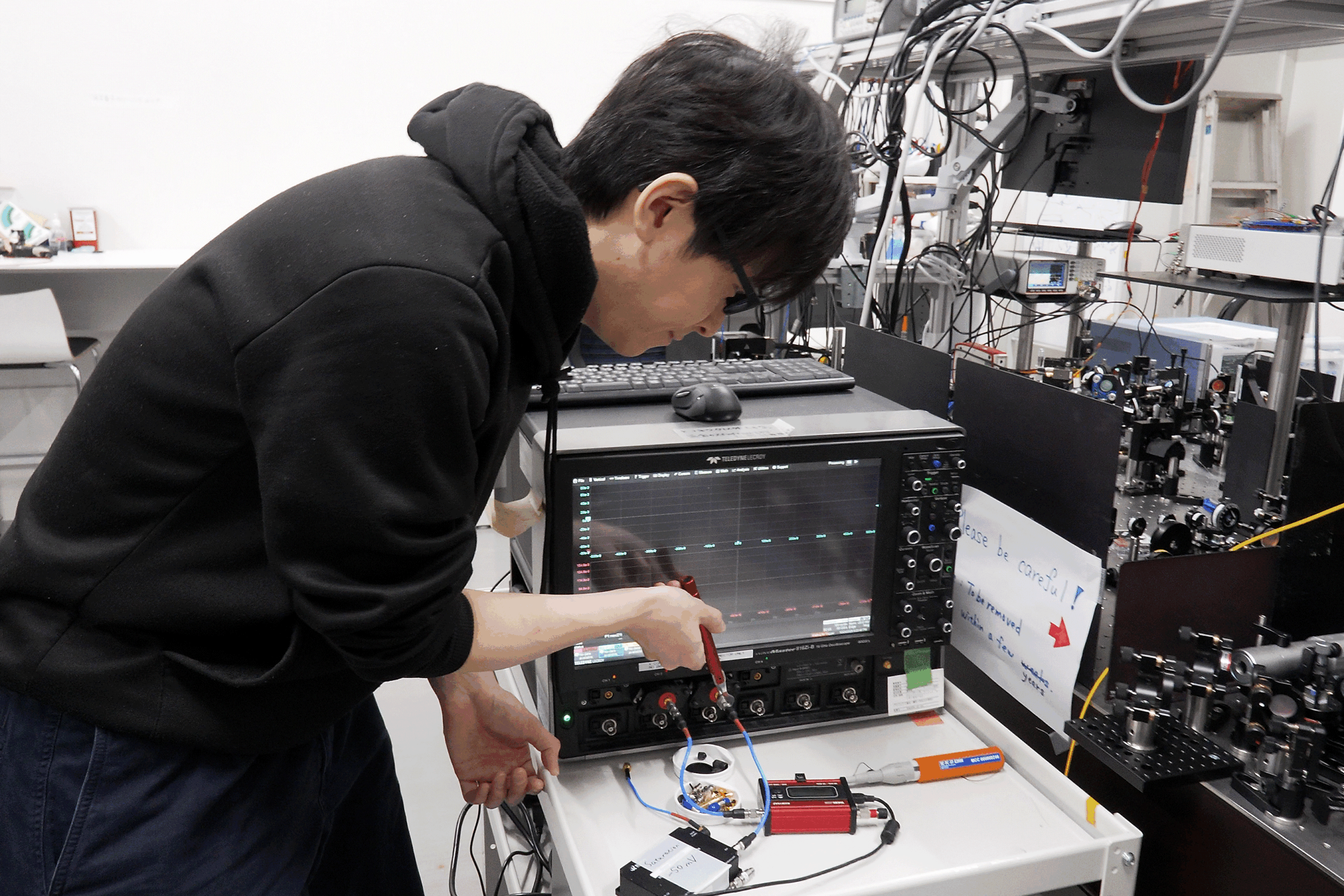
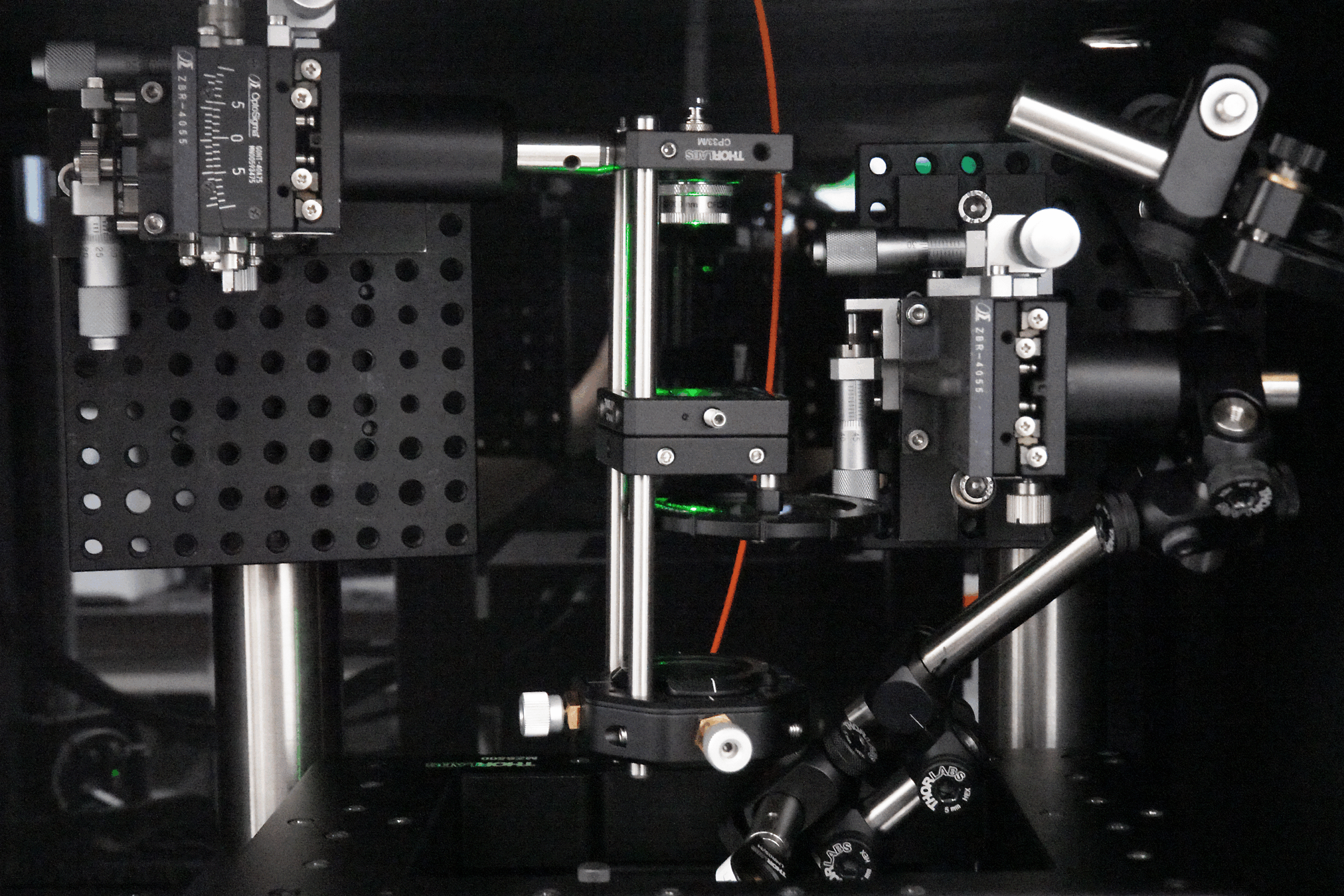
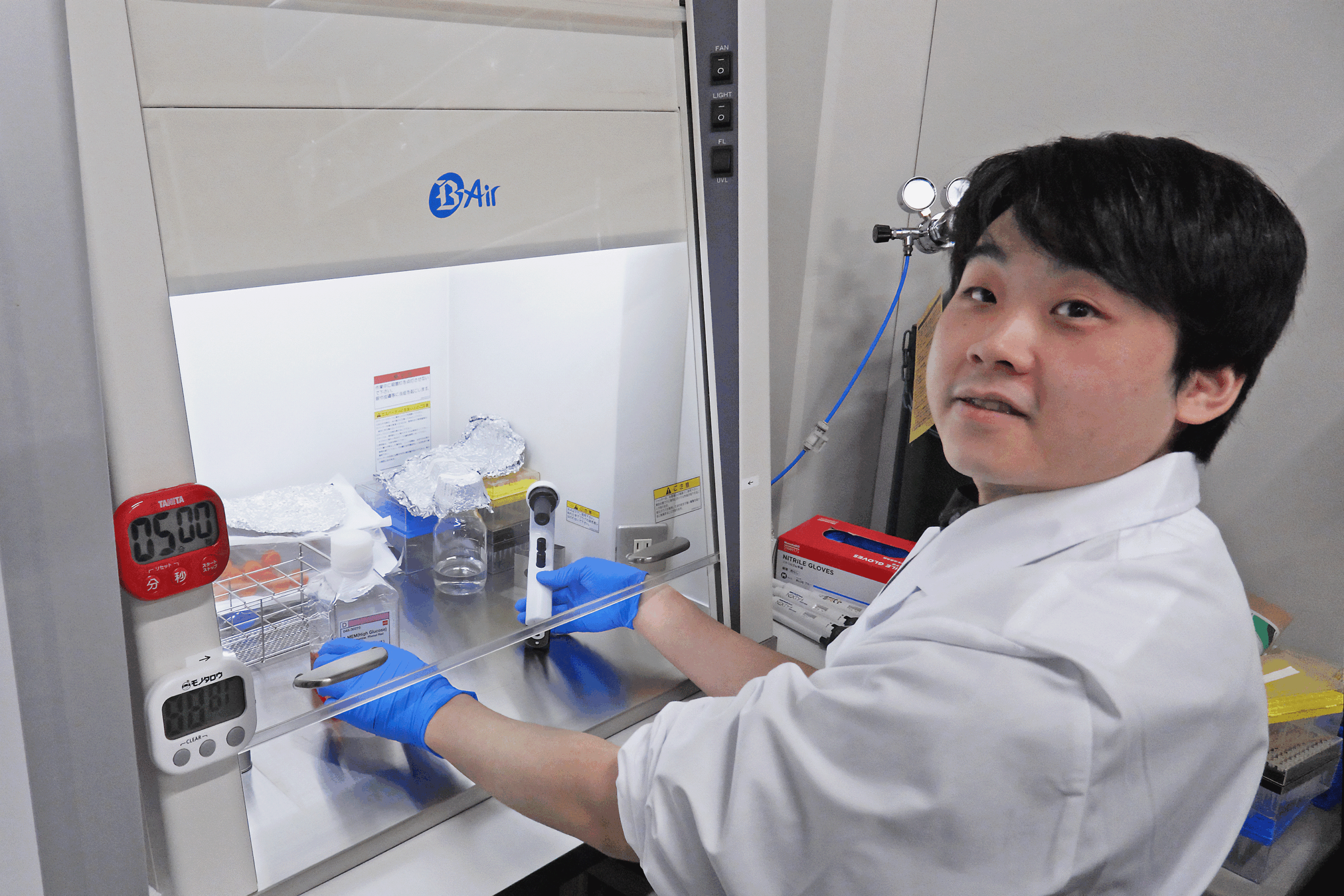
The Ideguchi Laboratory conducts research in advanced optical science. We develop spectroscopic and imaging technologies based on new physical principles that achieve world-leading performance, and apply them to both fundamental and applied studies spanning physics, chemistry, and the life sciences. Our research is pursued in an integrated manner, from the development of laser light sources to the creation of original measurement methodologies and the elucidation of phenomena that have been difficult to observe with conventional techniques, allowing students to be actively involved in part or all of these processes. In recent years, we have particularly emphasized applications in the life sciences and condensed-matter physics, while also exploring measurement approaches using quantum light sources and data analysis based on machine learning. We aim to cultivate researchers with expertise in optical technologies and related fields who can contribute broadly across academia and industry.
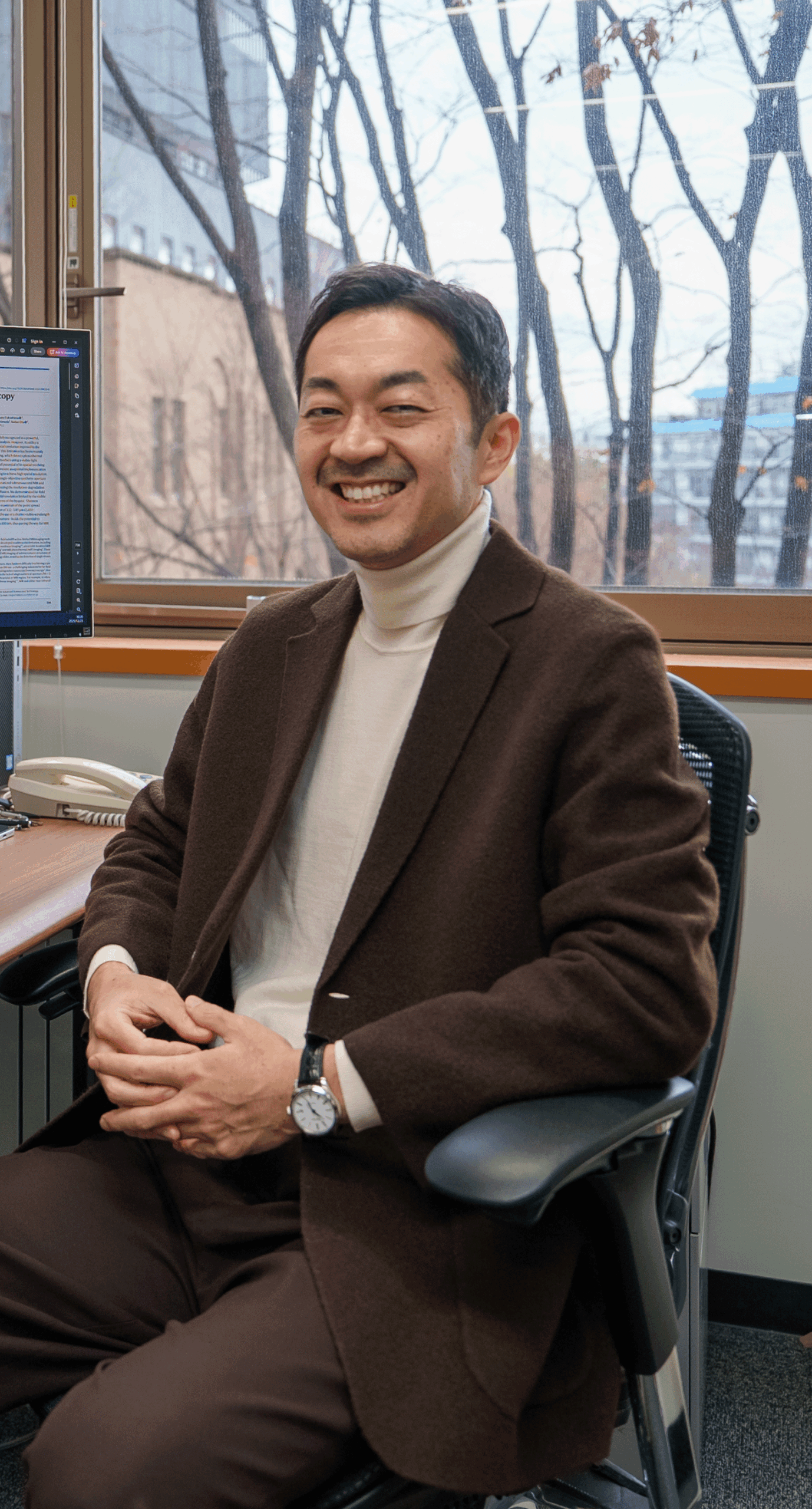
MESSAGE
Choose a research topic you genuinely enjoy—the ever-present sense of novelty is what makes research so engaging.
Until graduating from high school, I was deeply committed to baseball. Influenced by my older brother, I developed an interest in physics and went on to study in the Department of Applied Physics at the Faculty of Engineering. Through my coursework, I became particularly interested in lasers and quantum statistics, which led me to join a laboratory in optical physics. While I was not especially fond of lecture-based classes, I found great enjoyment in studying what was necessary for my research. From that time, I came to believe that motivation is the most important factor in pursuing research.
After completing my master’s degree, I initially joined a company. However, driven by a desire to bring cutting-edge research technologies into society, I decided to pursue a Ph.D. and moved to Germany. The laboratory I joined was highly international, and being exposed to diverse perspectives on research was an extremely valuable experience. It has since become a foundation for my career.
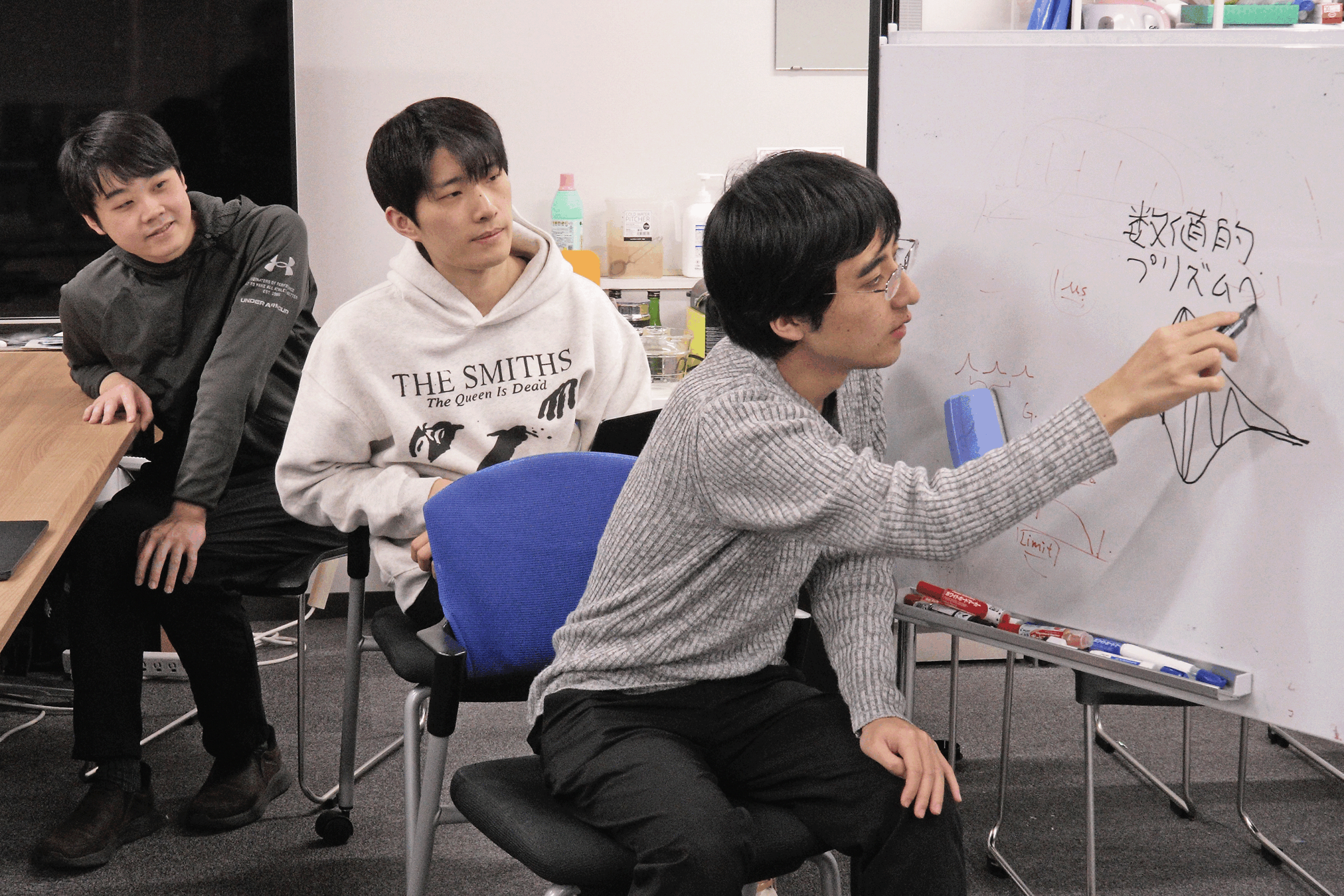
In my laboratory, we strongly encourage students to pursue a doctoral degree. During the Ph.D. program, students define their own research topics, develop research plans, and carry out their work in collaboration with others. They also communicate their results through conference presentations and publications. The opportunity to engage in such diverse activities on an international stage at an early stage of one’s career is one of the major attractions of doctoral study. It not only deepens expertise in a specific field but also provides essential training for personal and professional development.
Let’s enjoy doing research that can change the world together.
Keyword
Laser / Spectroscopy / Microscopy / Biophotonics
PROFILE : Associate Professor Jun Yoneda
2006: B.E., The University of Tokyo
2008: M.E., The University of Tokyo
2008-2010: Canon Inc.
2010-2014: Max Planck Institute of Quantum Optics
2014: Dr. rer. nat, Ludwig-Maximilians-Universität München
2014-2016: Assistant Professor, The University of Tokyo
2016-2019: Lecturer, The University of Tokyo
2019-2026: Associate Professor, The University of Tokyo
2026-present: Team Director, RIKEN
2026-present: Professor, The University of Tokyo
APPLIED PHYSICS
We aim to cultivate researchers with expertise in optical technologies and related fields who can contribute broadly across academia and industry.
Takuro Ideguchi Lab.
Department of Advanced Materials Science,
Graduate School of Frontier Sciences,
The University of Tokyo
Kashiwanoha 5-1-5,
Kashiwa,Chiba 277-8561, Japan
04-7136-3771
ideguchi@edu.k.u-tokyo.ac.jp
The Goal of Applied Physic
The goal of Applied Physics is to develop a stage = “new material” that can manipulate undeveloped degrees of freedom, to explore unknown phenomena created from that stage and to bring out excellent functions, and to bring out its excellent functions. The purpose is to contribute to the development of human society by elucidating the mechanisms and developing application fields for these phenomena and functions.
AMS (Advanced Materials Science)
Department Office
AMS (Advanced Materials Science),
Graduate School of Frontier Sciences,
The University of Tokyo
Kashiwanoha 5-1-5, Kashiwa, Chiba 277-8561, Japan
Email : ams-office(at)ams.k.u-tokyo.ac.jp
Please change (at) to @.