
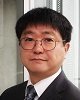
佐藤 弘泰
(さとう ひろやす/教授/環境学研究系)
社会文化環境学専攻/循環環境学講座/水環境管理技術とそれに関連する微生物生態学
略歴
1989年3月 東京大学工学部都市工学科卒業
1991年3月 東京大学工学系研究科都市工学専攻修士課程修了
1993年3月 同博士課程中退
1993年4月 東京大学工学部都市工学科助手
1996年3月 博士(工)取得(東京大学大学院工学系研究科)
1997年4月 東京大学工学系研究科講師(都市工学専攻)
1998年5月 東京大学工学系研究科助教授(都市工学専攻)
1999年4月 東京大学大学院新領域創成科学研究科助教授(環境学専攻)
2006年4月 東京大学大学院新領域創成科学研究科助教授(社会文化環境学専攻)
2007年4月 東京大学大学院新領域創成科学研究科准教授(社会文化環境学専攻)
2002年3月より2004年4月までJICA専門家としてアジア工科大学院(タイ)に赴任。
2020年4月 東京大学大学院新領域創成科学研究科教授(社会文化環境学専攻)
教育活動
大学院:循環型水処理学、地域水環境演習
工学部都市工学科:環境微生物工学、水質変換工学
日越大学:Water and Wastewater Engineering
研究活動
下水道関連の技術はもう確立されていると思っている人も少なくないと思います。実際、日本国内では下水道の普及率はほぼ80%に達し、また、下水道がない地域も合併式浄化槽が導入され、かつてに比べると水質汚濁の問題は大きく改善されています。
その一方、海外に目を移すと多くの発展途上国では下水道の普及はまだまだ遅れています。また、せっかく下水道を導入したとしても、下水処理場の運転には技術も必要ですし、エネルギーも消費します。例えば日本国内の発電量の0.7%が下水処理のために利用されているのですが、途上国はそうした負担に耐えることができるのでしょうか。
そこで、私の研究室では、持続可能な社会にふさわしい新しい下水道や下水処理の技術について、検討しています。目下注力しているのは、下水管の中での水質浄化を促進する技術の開発です。
また、下水の浄化に関わる微生物の働きについて、遺伝子レベルでの解析を行っています。
文献
1) Sotelo T.J., Satoh H., Mino T.(2020) Effect of Flow Intermittency on Lipid Degradation Behavior during In-sewer Purification by the Intermittent Contact Oxidation Process Biochemical Engineering Journal, 154, https://doi.org/10.1016/j.bej.2019.107430.
2) Satoh, H. (2017) Challenges of restoring and rehabilitating sewer systems damaged by the Great East Japan Earthquake and Tsunami. Journal of JSCE, 5, 279-297.
3) Shoji T., Matsubara Y., Tamaki S., Matsuzaka K., Satoh H., Mino T. (2015) In-sewer treatment system of enhancing self-purification: performance and oxygen balance in pilot tests. J. Water Environ. Technol., 13, 427-439, 2015.
4) Satoh H., Oshima K., Suda W., Ranasinghe P.D., Li N., Gunawardana E.G.W., Hattori M., Mino T. (2013)
Bacterial population dynamics in a laboratory activated sludge reactor monitored by pyrosequencing of 16S rRNA. Microbes Environ, 28(1), 65-70.
その他
土木学会、日本水環境学会、微生物生態学会、International Water Association、日本下水道協会
将来計画
下水管内での水質浄化技術の開発は、室内実験を通じて基本的な性能が把握されつつあるところです。社会実装に向けて、さらなる性能発揮のための技術開発や浄化原理の解明、設計方法の確立などをしていきたいと考えています。
教員からのメッセージ
大学にいる間に何をしたか、自分をどのように磨いたかで、その後の人生に大きな差が生じます。ぜひ大学にいる間に意欲を持って、新しいことにチャレンジしてください。新領域創成科学研究科はそんな場として最適であると思います。